
 メディアライブラリー
FUSO has long been a leader in electric mobility. Its eCanter, the Japan’s first series-produced electric light-duty truck, has been a reliable solution for city deliveries and short-haul routes. But when it comes to heavy-duty trucks—vehicles that travel longer distances and carry heavier loads—the path to zero emissions becomes more complex.
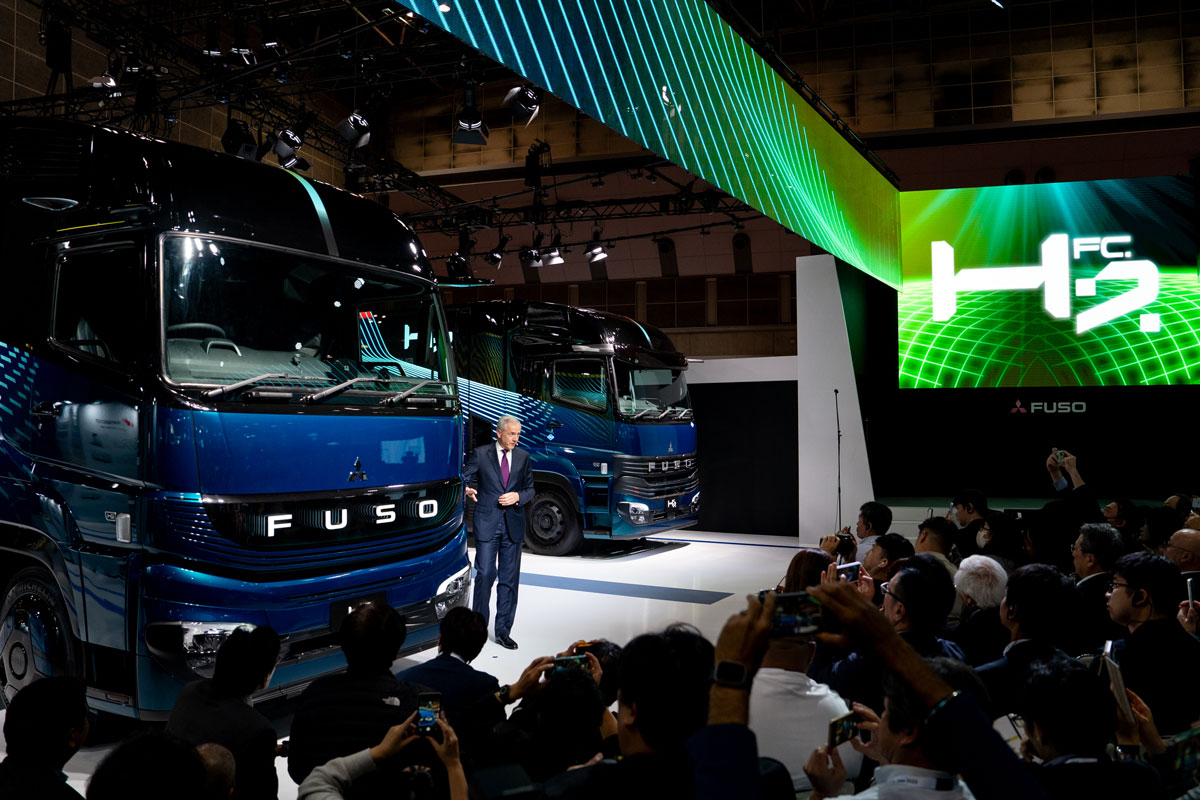
At the Japan Mobility Show 2025, FUSO is introducing two new concept trucks that explore how hydrogen could help meet the unique demands of this segment.
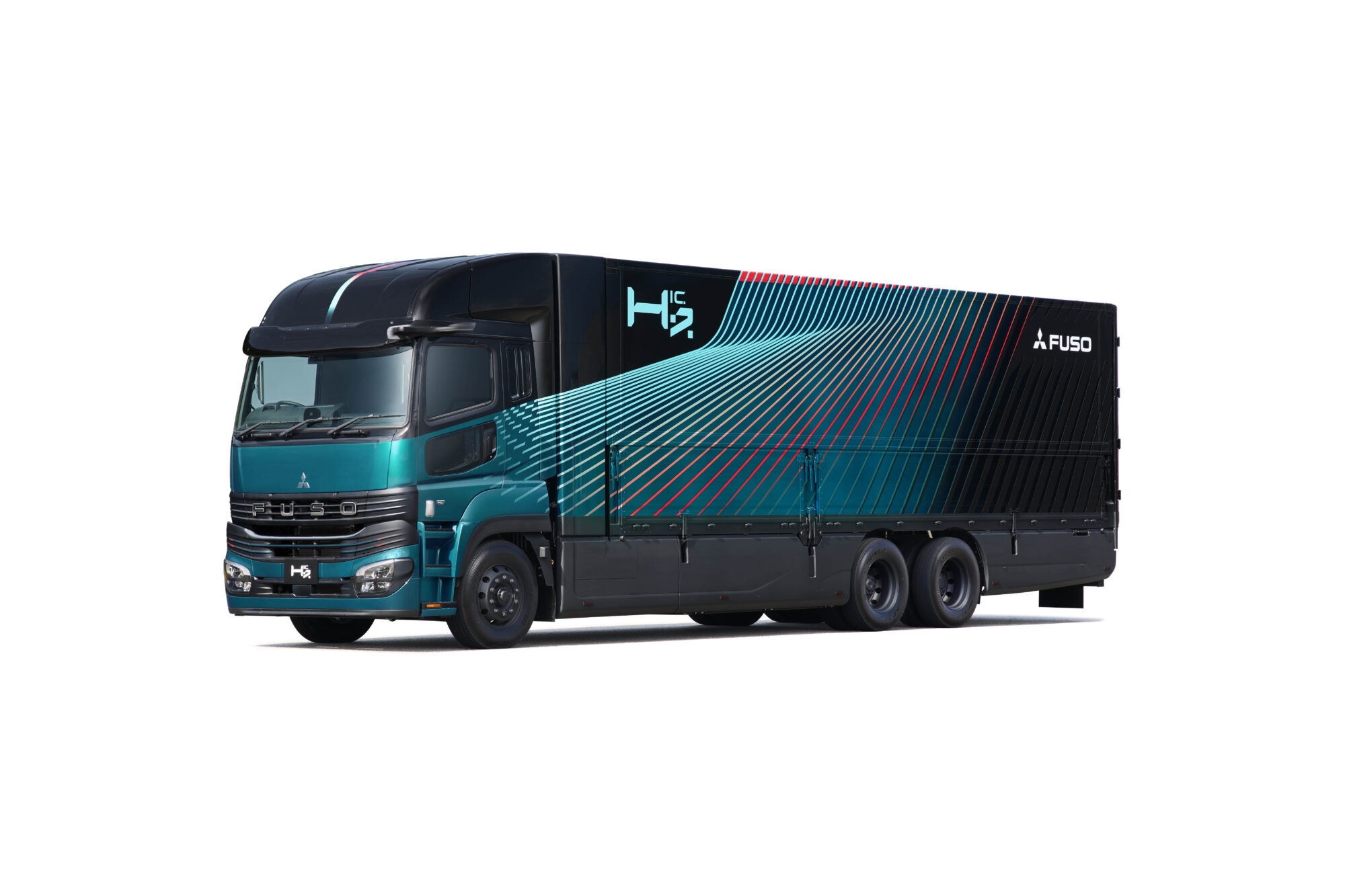
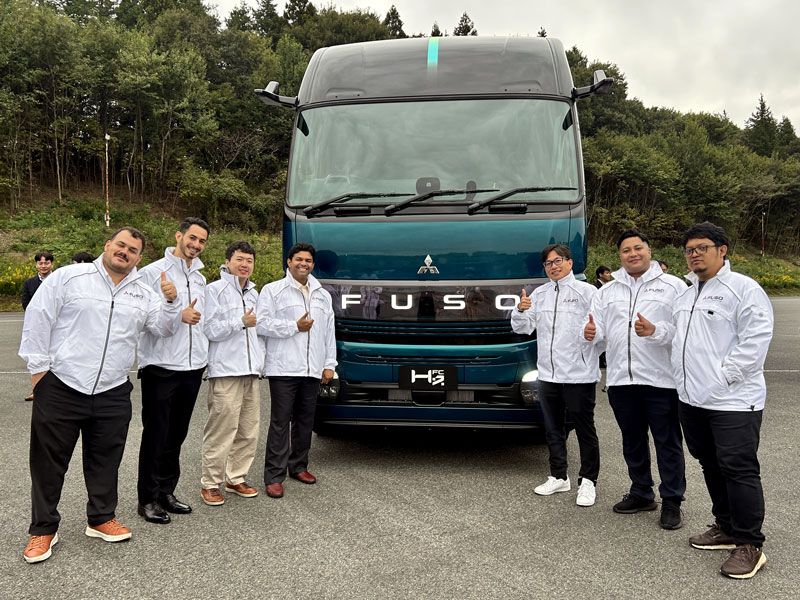
The hydrogen combustion engine-powered heavy-duty truck (H2IC) and the liquid hydrogen fuel cell powered heavy-duty truck (H2FC) represent two different approaches to the same goal: a cleaner future for heavy-duty transport.
Why Hydrogen?
The path to zero emissions isn’t linear. While battery-electric vehicles have proven effective in many applications, heavy-duty trucks present a different equation. Their need for extended range, high payload capacity, and rapid refueling calls for a broader set of solutions.
That’s why FUSO is looking at hydrogen as a complementary path forward.
“In a world where the future of mobility remains uncertain,” says Ando Hironobu, head of FUSO R&D, “we believe in offering more than one solution. Hydrogen is an important part of that mix.”

Two Concepts, Two Approaches
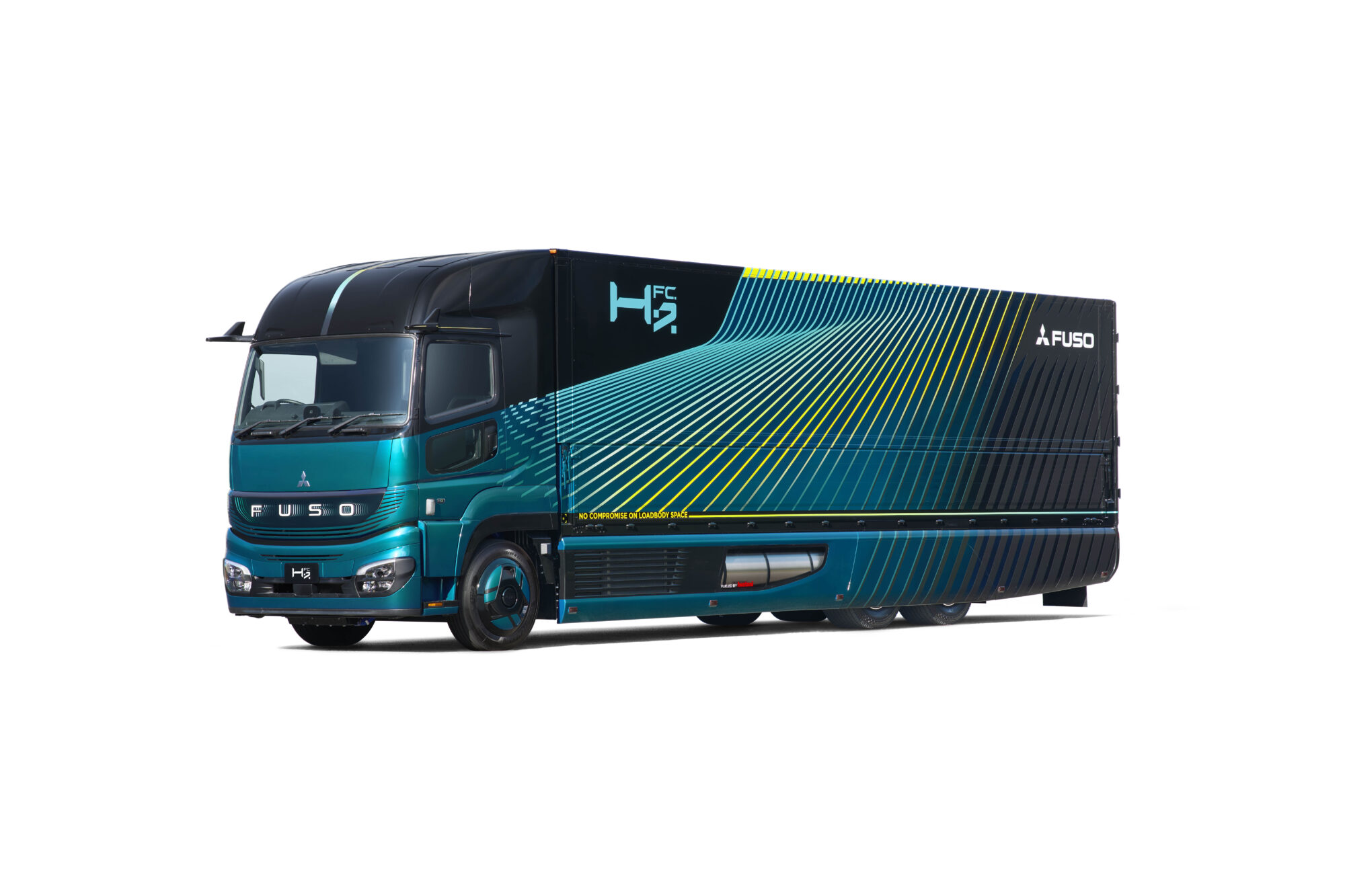
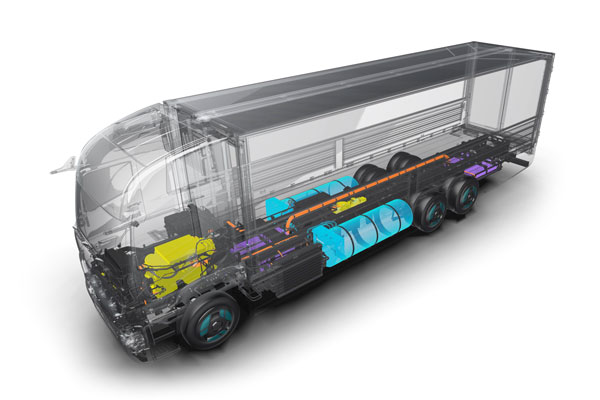
The H2FC truck is a Fuel Cell Electric Vehicle (FCEV) designed to deliver zero-emission performance without compromising on range, cargo space, or refueling time.
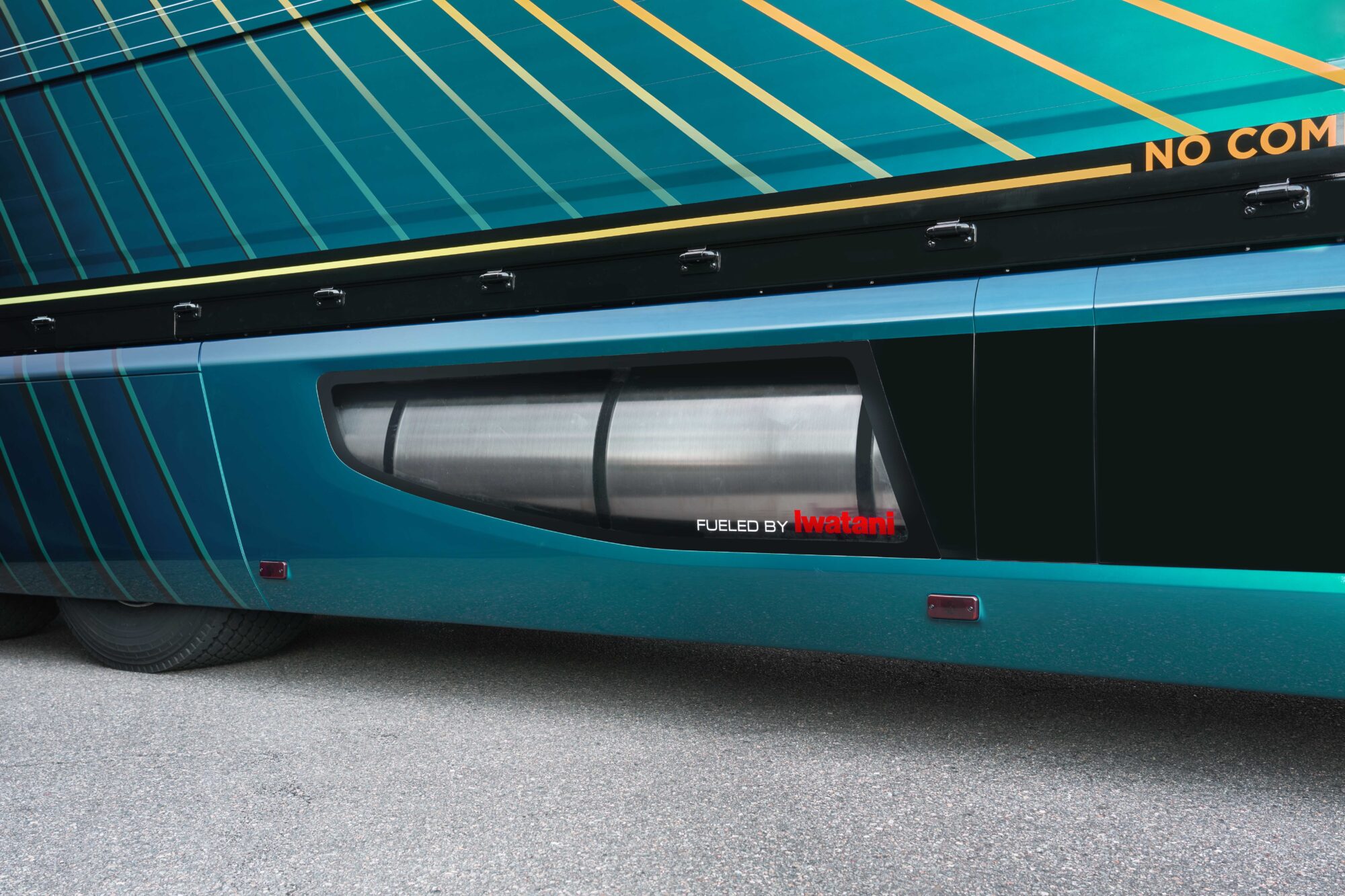
What sets it apart is its use of liquid hydrogen (LH2)—a fuel with a higher energy density than Compressed Gaseous Hydrogen (CGH2). This allows more hydrogen to be stored in a smaller space, enabling longer driving ranges—a critical factor for long-haul routes like Tokyo to Osaka or Fukuoka.
Importantly, the truck maintains the same rear body space as a conventional diesel truck, allowing customers to use the vehicle without sacrificing cargo capacity. This is achieved by eliminating the bulky “tech tower” typically found behind the cab in other fuel cell trucks—a significant design challenge that required rethinking the layout of key systems.
Subcooled Liquid Hydrogen: Efficiency and Infrastructure Benefits
Subcooled liquid hydrogen (sLH2) refueling is a method designed to meet the needs of commercial hydrogen vehicles, which require longer driving ranges and faster refueling times. One challenge with liquid hydrogen, which is known for its high energy density and extremely low temperatures around -253°C, is that it gradually warms up over time, changing back into its gaseous form. This ‘boil-off gas’ slowly increases pressure in the tank and needs to be safely released if left unused. sLH2 technology helps by cooling and re-liquefying this gas, allowing for more efficient use of hydrogen fuel.
In addition to improving fuel efficiency and range, this approach can also simplify the equipment needed for hydrogen refueling stations, potentially reducing infrastructure costs.
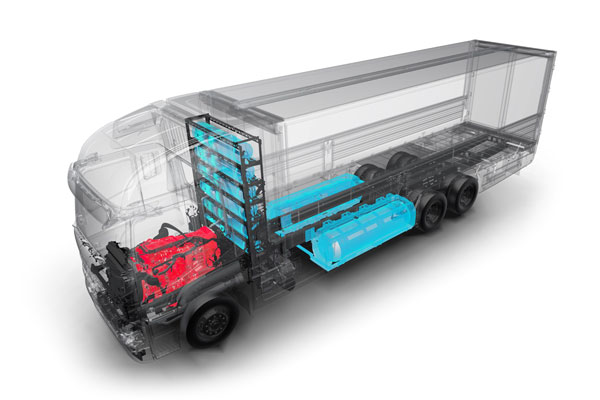
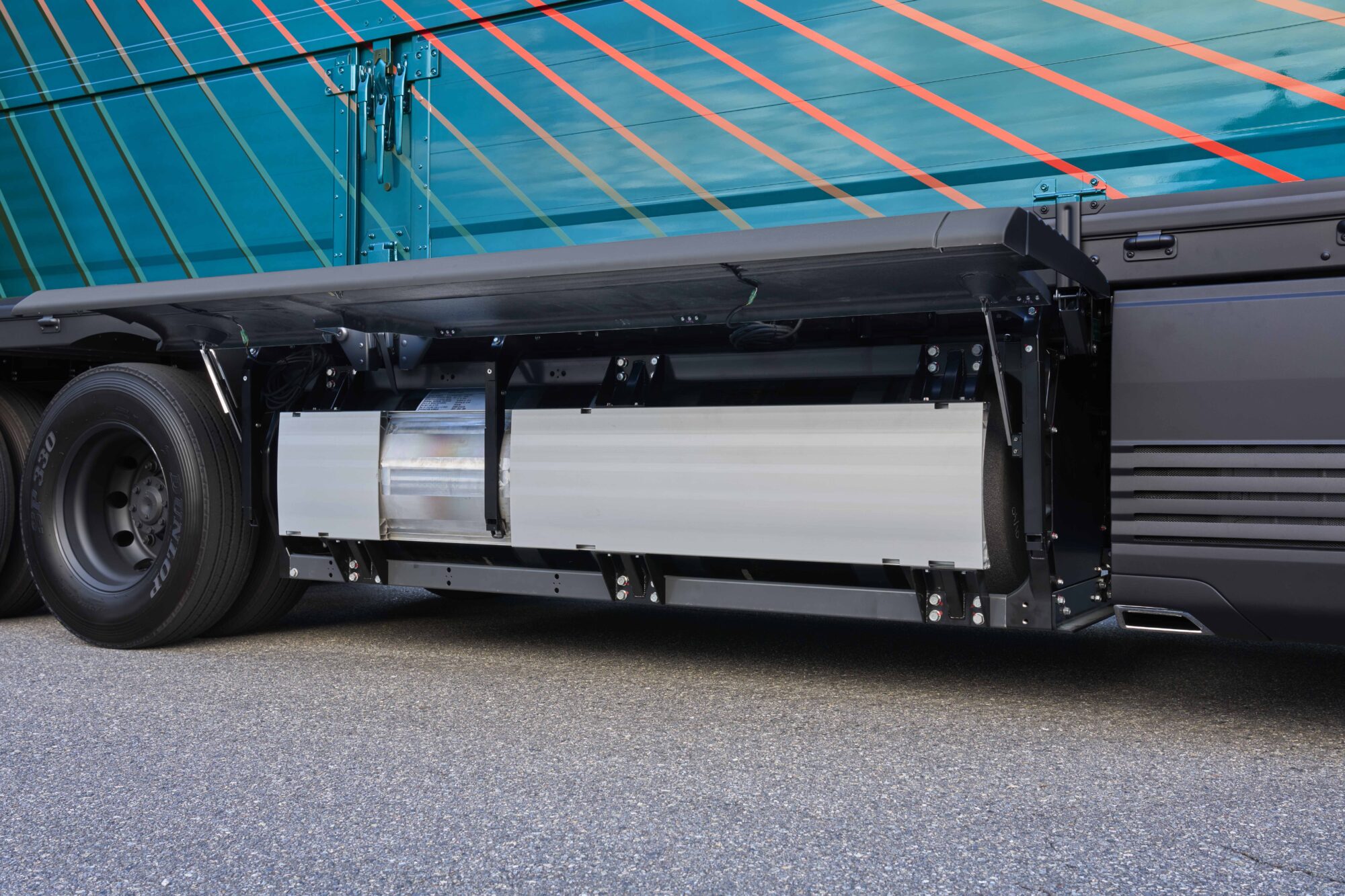
The H2IC truck, meanwhile, uses a Hydrogen Internal Combustion Engine. This approach builds on 80% of existing diesel vehicle components, enabling a faster and more cost-effective transition to zero-emission mobility. It utilizes CGH2 as fuel, that can operate with lower-purity hydrogen, making it easier to integrate into existing infrastructure while still reducing CO2 emissions.
Performance Comparison of H2FC and H2IC Trucks
The H2FC truck utilizes 80 kilograms of liquid hydrogen stored in two cryogenic tanks, enabling a maximum range of up to 1,200 kilometers. In contrast, the H2IC truck is powered by 58 kilograms of 70MPa CGH2 stored in 8 Type IV tanks, delivering a range of up to 700 kilometers. Both models maintain a gross vehicle weight (GVW) of 25 tons and H2FC supports full-size load body.
The H2FC can be refueled faster in just 15 minutes, while the H2IC takes approximately 25 minutes using a normal-flow nozzle. Notably, the H2IC is equipped with two middle-flow receptacles, which are designed to reduce refueling time further—though in Japan, only the normal-flow protocol is currently standardized at hydrogen stations, with middle-flow protocol is under discussion.
Both trucks emphasize safety and driver awareness with advanced camera systems. The H2FC features a 3D camera monitoring system and bird’s-eye view monitoring, while the H2IC includes a Daimler camera mirror system and a 270-degree blind spot camera. Both models incorporating sustainable materials inside the cabin.
Platform Integration and System Architecture
Both H2FC and H2IC trucks are built on the 2024 Super Great diesel platform, adapted to integrate range of new systems. H2FC includes the Fuel cell module, High-voltage electrical architecture, thermal management system, hydrogen storage and supply systems, and electrified auxiliary components. H2IC variant features Daimler’s hydrogen internal combustion engine, CGH2 storage and supply system, Hydrogen safety measures, and a dedicated monitoring interface for real-time system feedback related to H2 system.
Engineering a New Standard
The development of the H2FC truck brought a host of technical challenges. One of the biggest was the lack of established regulations for liquid hydrogen use in Japan, requiring close coordination with authorities to move the project forward.
Additionally, most existing fuel cell systems are designed for high-pressure compressed hydrogen, so FUSO’s H2FC has a specially redesigned fuel cell system to work with liquid hydrogen at much lower pressures than previously possible. This included multiple changes, including a custom hydrogen supply system. The low pressure level allows more design flexibility, eliminating the need for the high-pressure components typically required in CGH2 systems.
Testing and Validation
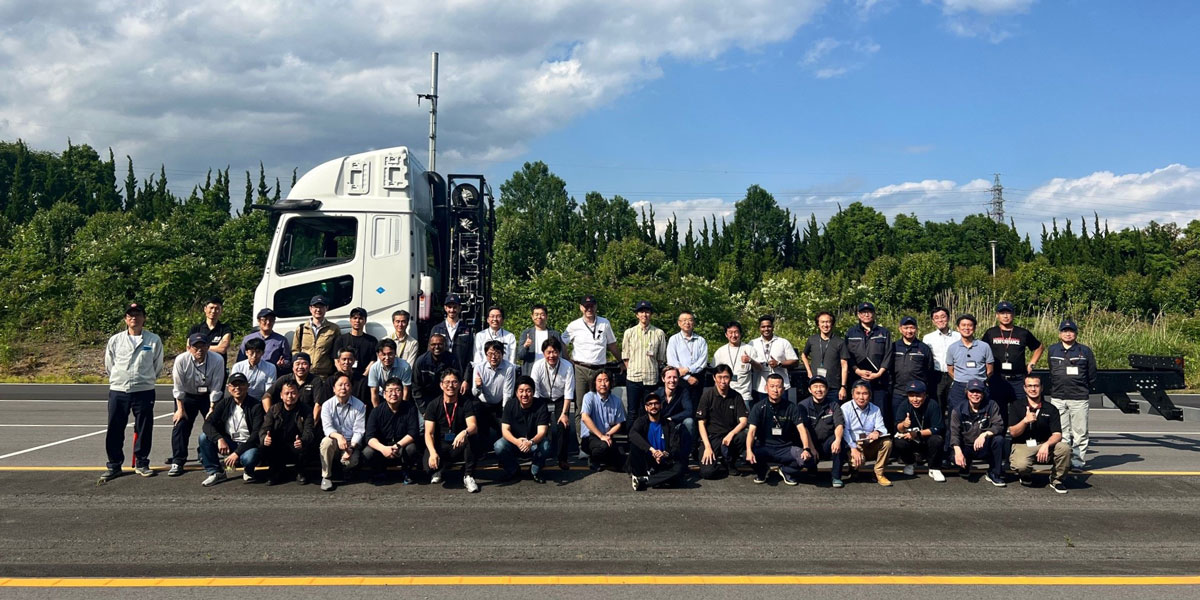
Validation for both H2FC and H2IC are in progress. H2IC has already confirmed UNR134 requirements with JARI. As for the H2FC, extensive simulations and component-level testing have already begun, including:
– Powertrain simulations to estimate vehicle performance, battery configuration, and range.
– Fuel cell system simulations and tests to ensure compatibility with liquid hydrogen.
– Tank system testing, currently underway, to validate the behavior and safety of the liquid hydrogen storage system.
These efforts are laying the groundwork for a robust and reliable hydrogen-powered platform.
A Shared Vision
FUSO’s hydrogen initiatives align with Japan’s broader push to build a hydrogen-powered society. The government has identified hydrogen as a key part of its energy strategy, but infrastructure—especially fueling stations—remains a major hurdle.
What’s Next
FUSO is preparing to launch a pilot program, alongside the construction of dedicated liquid hydrogen stations. This real-world testing phase will be critical in validating the technology and shaping the roadmap for future deployment.
As the world moves toward cleaner transportation, FUSO is taking a practical, forward-looking approach. With electric trucks already in operation and hydrogen concepts on the horizon, the company is showing that the future of mobility isn’t about choosing one solution—it’s about finding the right one for every job.