

Sorry. We did not find anything.

  • SUSTAINABILITY

    Breaking the Timeline: How Mitsubishi Fuso Accelerated its Path to Carbon Neutrality

    日本語

Fuso transforms operations to lead in sustainable truck manufacturing.

“What if we did it by 2025?”

The room fell silent. Mitsubishi Fuso’s sustainability team had been reviewing long-term climate goals  for production plants in Japan, and the current target for CO₂e neutrality was 2039—already considered ambitious.

But this bold question changed everything.

Could they accelerate the timeline by 14 years? A complete overhaul of operations, investments, and reliance on new technologies would be required. Yet, with Daimler Truck Europe having already reached neutrality in 2022 and Fuso’s own progress underway, the team began to believe it was achievable.
This video introduces our challenge to achieve zero CO₂ emissions and highlights our achievements so far. Please take a look at the initiatives we’ve steadily built up, such as the shift to electrification and the use of renewable energy.

Taking Responsibility in a Carbon-Heavy Industry

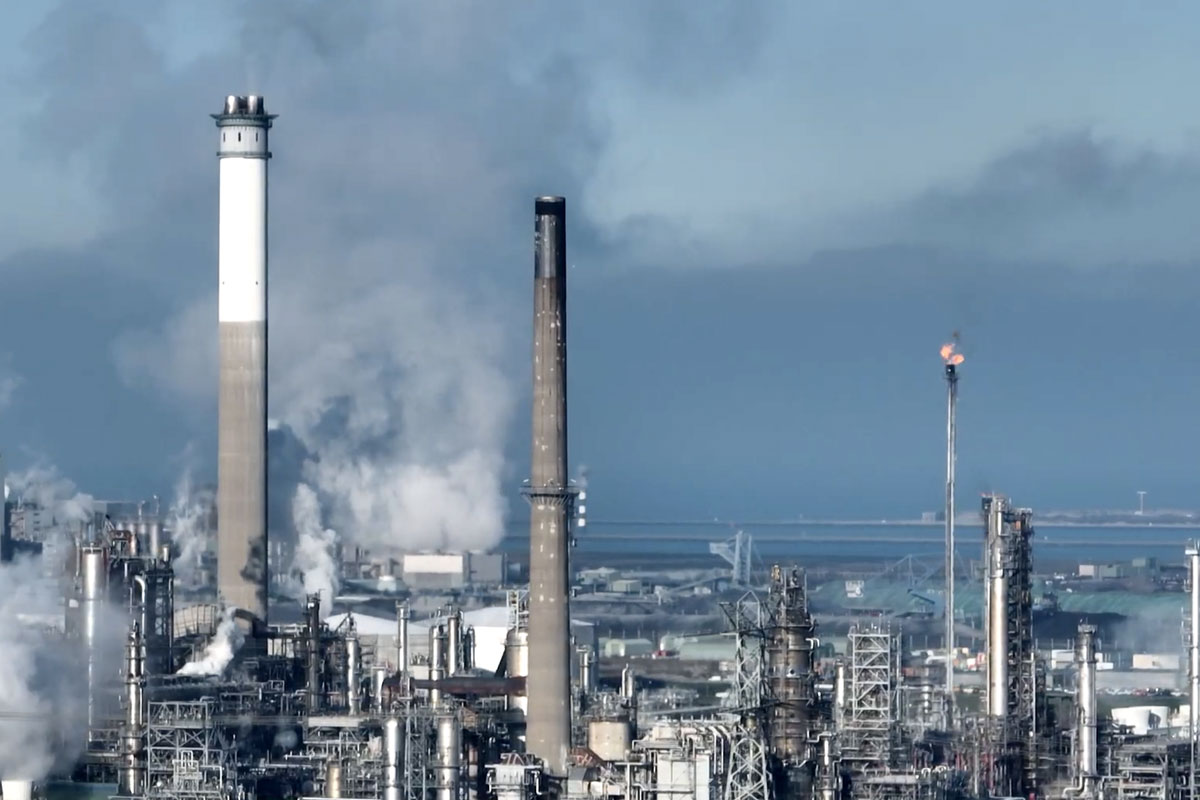
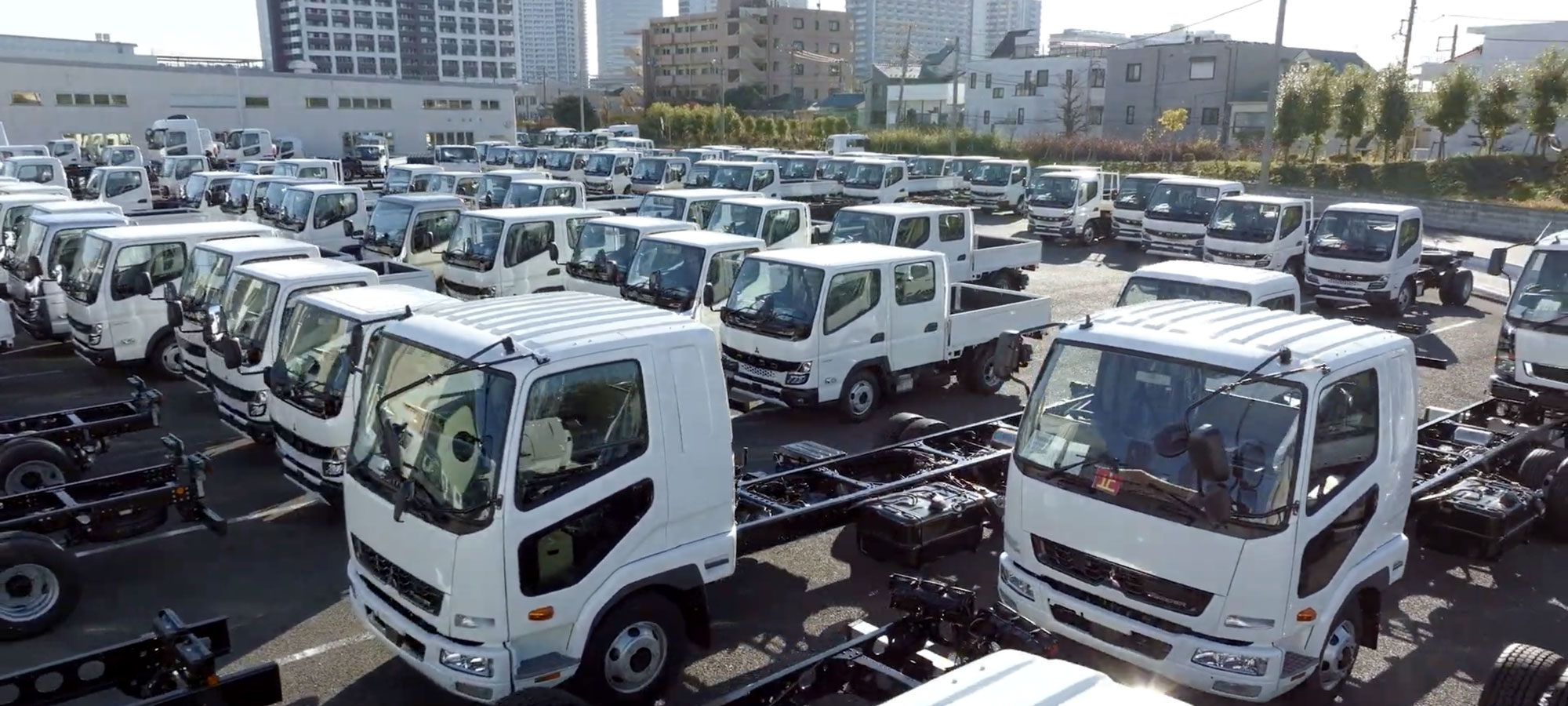
Commercial vehicles account for over 5% of global CO₂ emissions. Daimler Truck, Fuso’s parent company, represents roughly 15% of that share. This responsibility isn’t just about compliance—it’s embedded in the company’s core strategy: “Making Sustainability Count.”

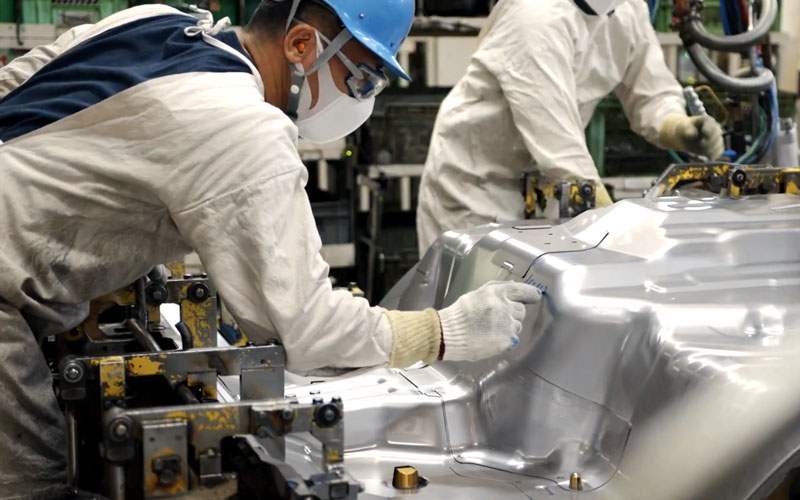
For Fuso, leading the way means more than hitting targets; it means transforming how trucks are built, operated, and powered.

Why 2025 Seemed Impossible

Accelerating the timeline brought significant challenges. Many factory processes still rely on fossil fuels and transitioning them requires major changes. Much of Fuso’s truck lineup still runs on internal combustion engines, which demand usage of fossil fuel. Promising technologies like hydrogen fuel and carbon capture face high costs and underdeveloped infrastructure in Japan.

Exploring options with a focused approach, every initiative had to be practical, impactful, and quick to implement.

From Ambition to Action

The team focused on projects with the biggest impact:
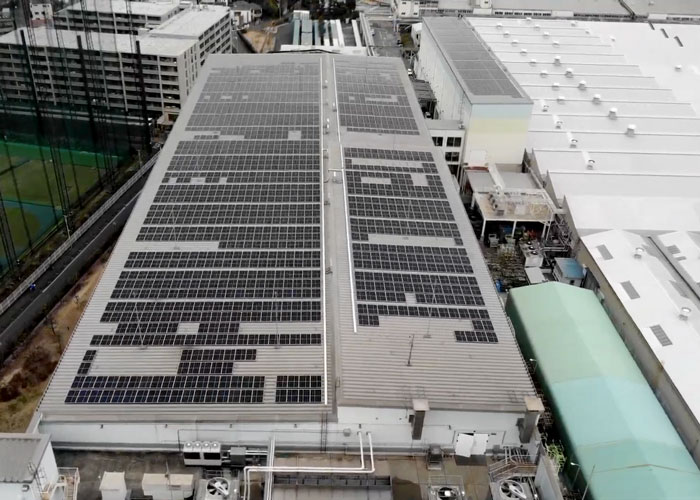
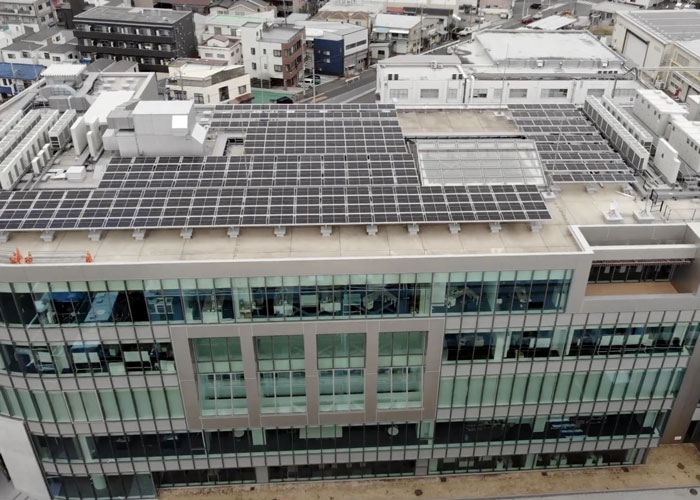
– Installing solar panels generating approximately 2.4 gigawatt-hours annually.
– Optimizing energy systems and switching our electricity supply to renewable energy sources, reducing nearly 50,000 tons of CO₂e since 2015 .
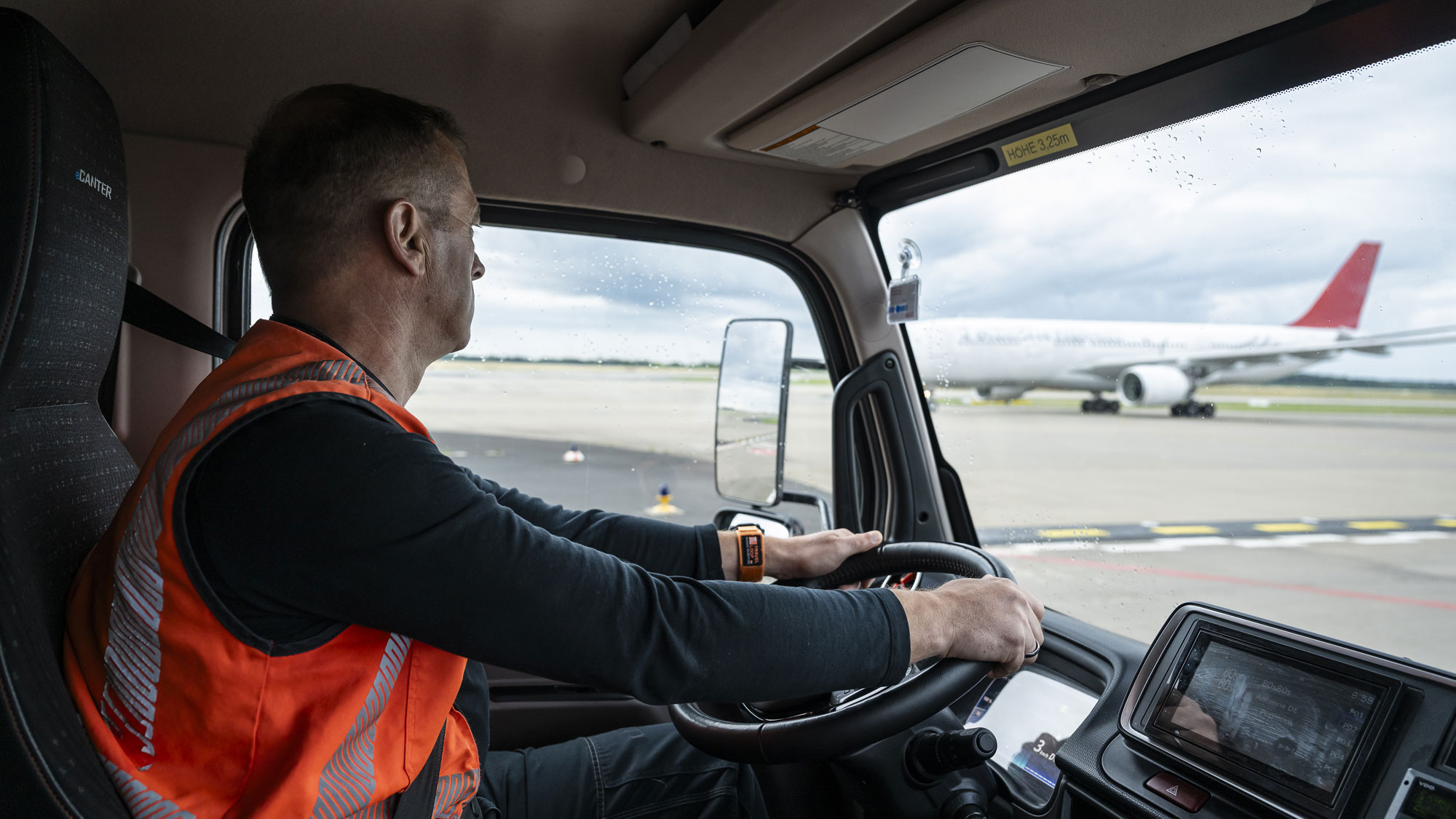
– Electrifying in-plant logistics to reduce fuel use.

Leadership support ensured funding and knowledge sharing, but daily success depended on engineers, facility managers, and project leaders adapting quickly to challenges.

Achievements by the Numbers

Since 2015, Fuso has reduced energy consumption by 40% and cut CO₂e emissions by 70%, and installed solar panels covering 14,000 square meters. Where emissions remain, carbon credits will offset the difference—ensuring Fuso’s balance sheet is carbon neutral by the end of 2025.

What CO₂e Neutrality Means for Fuso

Simply put, CO₂e neutrality means balancing the carbon emitted with an equal amount removed from the atmosphere. To reach neutrality by 2025, Fuso will offset emissions it cannot yet eliminate by purchasing verified carbon credits—certificates that represent an equivalent amount of CO₂e reduced, avoided, or absorbed elsewhere. Fuso ensures these credits are real and contribute to sustainable development.

But offsets are only part of the story. Fuso is aggressively cutting emissions at the source through energy efficiency, electrifying logistics, and expanding renewable energy.

Looking Beyond Neutrality

Achieving carbon neutrality in production is a milestone, not the finish line. The next goal is zero emissions—eliminating fossil fuels entirely from our operation.

Fuso is exploring hydrogen fuel, though cost and infrastructure challenges remain. Carbon capture technology is on the horizon but needs to become scalable and cost-effective. While Fuso has been a pioneer of electric trucks in the light duty segment, fully transitioning away from internal combustion vehicles will take further innovation.

A Shift in Mindset

In an industry where 2030 targets are bold, Fuso’s 2025 goal stands apart. This leap forward isn’t the result of a single breakthrough but a simple question: Why not sooner?

That question transformed not only Fuso’s timeline but its culture—showing what’s possible when a team dares to rethink the status quo.